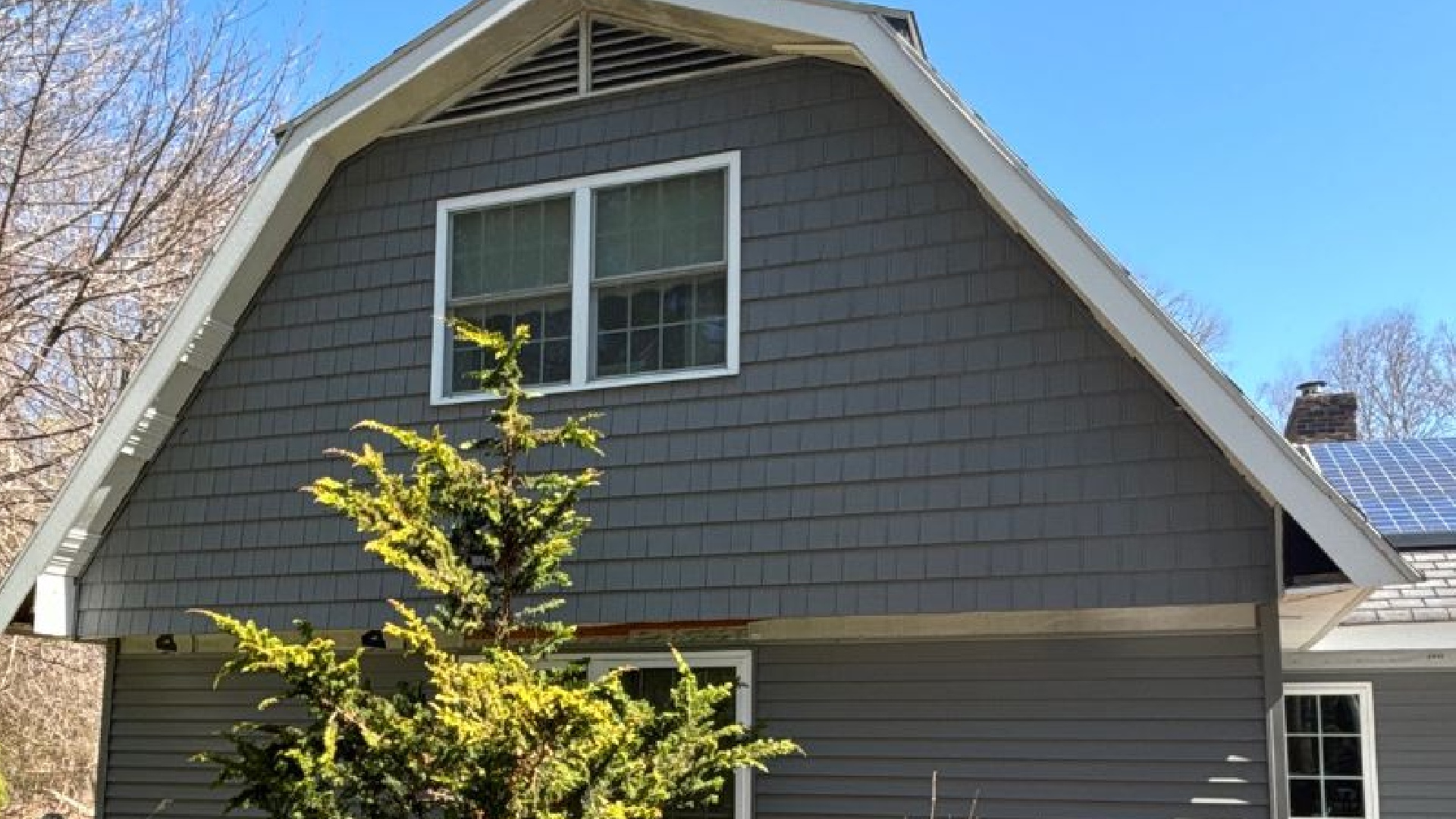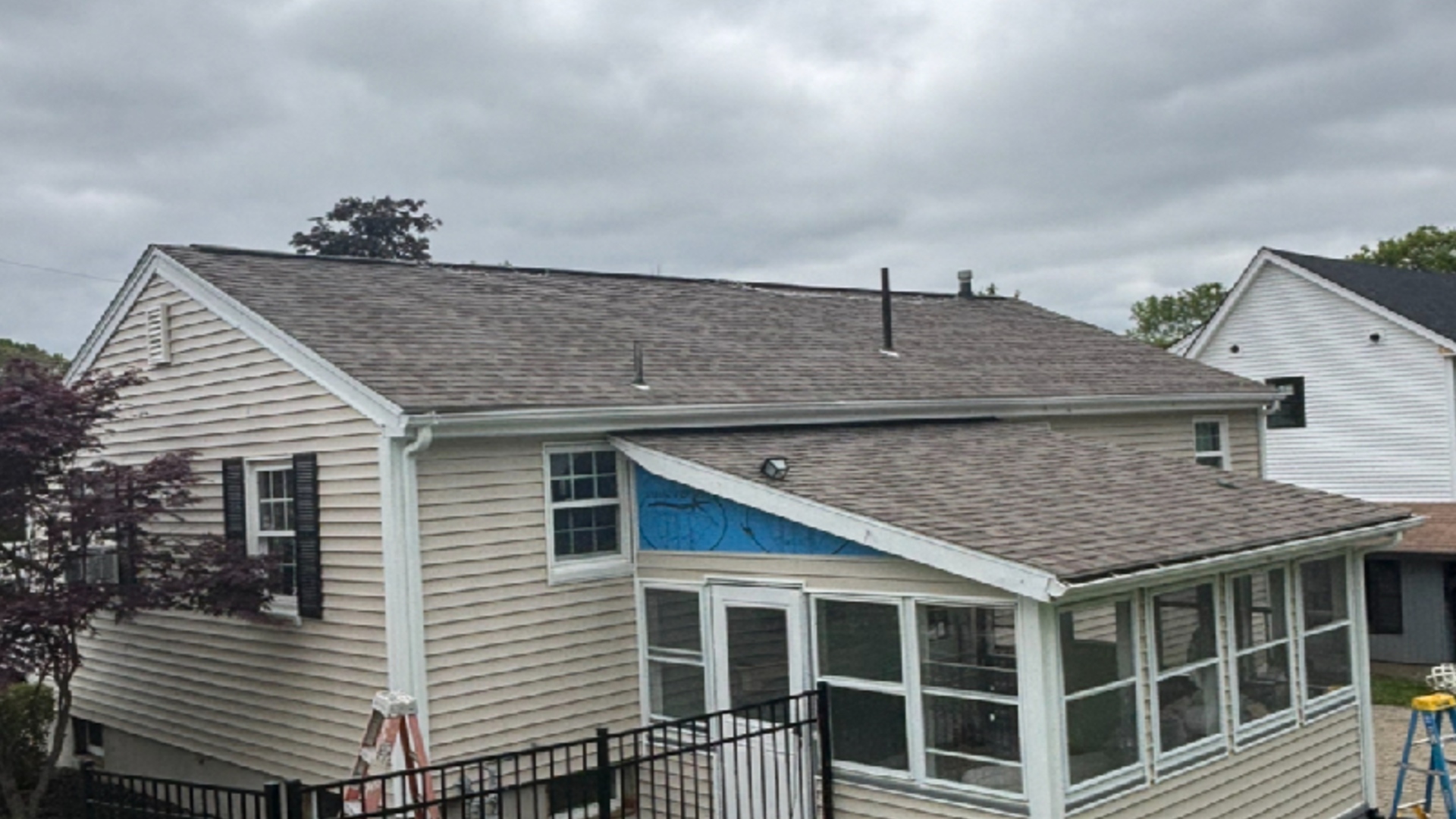
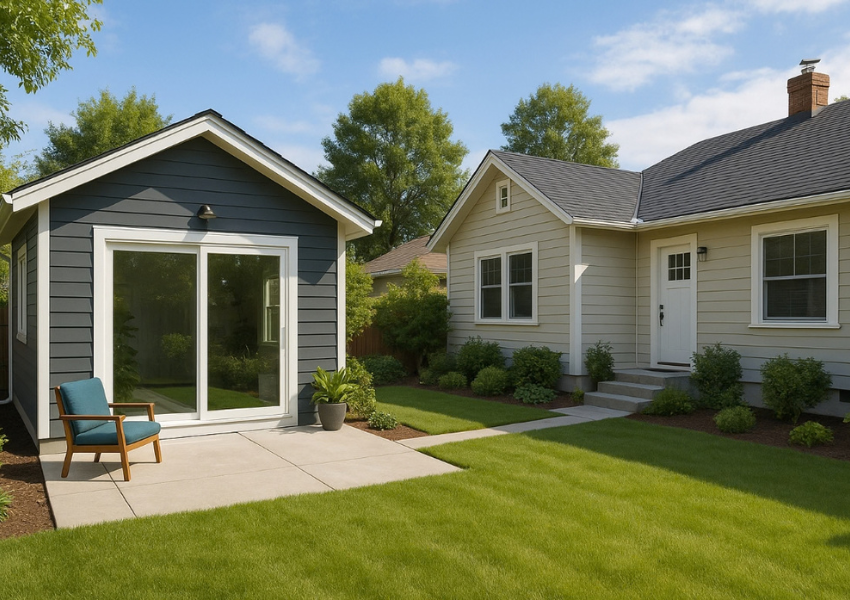
Energy-efficient exterior upgrades can help New England homeowners improve comfort, reduce energy loss, and protect their homes through changing seasons. Explore energy-efficient siding, roofing, windows, insulation, and weatherproofing solutions designed for New England homes. Learn how the right exterior improvements can support better home performance and long-term durability.
Why Exterior Energy Efficiency Matters in New England
New England homes face cold winters, heavy snow, humid summers, and changing seasonal conditions that can impact exterior performance. Energy-efficient exterior upgrades such as roofing, siding, windows, and insulation can reduce heat loss, improve comfort, and protect your home from moisture and wind. Evaluating the entire building envelope helps create lasting energy efficiency and durability.
Energy-Efficient Siding Options for Massachusetts Homes
Siding protects your walls from moisture, wind, and temperature swings, and the right system can meaningfully improve a home’s overall insulation performance. Not all siding is created equal when it comes to energy efficiency:
- Insulated vinyl siding adds a rigid foam backing that boosts R-value without changing the exterior look
- Fiber-cement siding offers strong moisture and pest resistance, though it needs added insulation behind it to contribute to efficiency
- Engineered wood siding balances a traditional appearance with better moisture performance than natural wood
- Continuous rigid foam insulation or house wrap installed underneath any siding type closes gaps that siding alone can’t address
Proper installation is key to siding performance. Explore our siding services to find the right system for your home.
Roofing Upgrades That Improve Home Performance
Your roof is one of the most important protective systems on your home, and an aging or under-insulated roof is a leading cause of drafts, ice damming, and moisture problems in this region. A full roofing upgrade should be evaluated as a system, not just a material swap:
- Roofing material — architectural asphalt shingles with reflective granules, or metal roofing for longer lifespan and better heat rejection
- Attic insulation — New England homes generally benefit from insulation levels well above older building-code minimums
- Ridge and soffit ventilation — prevents heat and moisture buildup that shortens a roof’s lifespan
- Ice-and-water shield — critical protection against the ice damming common in Massachusetts winters
- Flashing and moisture protection — the details most likely to be skipped by contractors focused on speed over performance
Combining roof replacement with attic insulation and ventilation can improve long-term efficiency. Explore our roofing services to learn more.
Windows, Doors, and Air Sealing
Windows and exterior doors are common sources of drafts and heat loss, especially in homes with original single- or double-pane windows. Replacing them with ENERGY STAR-rated, double- or triple-pane, low-E, argon-filled windows measurably improves comfort — but the installation quality matters as much as the product itself.
Air sealing is the upgrade homeowners overlook most often. Sealing around window and door frames, utility penetrations, sill plates, and other openings closes the small gaps that account for a surprising share of a home’s total heat loss — often for a fraction of the cost of a full window replacement.
Insulation and Weatherproofing Improvements
Insulation slows heat transfer between the inside and outside of your home; weatherproofing protects the structure itself from moisture and outdoor conditions. Areas worth evaluating on most New England homes include:
- Attic insulation (often the single highest-impact upgrade per dollar spent)
- Exterior wall cavities, especially in homes built before modern insulation codes
- Rim joists and basement/foundation areas, which are frequently left uninsulated
- Utility penetrations and other small gaps that add up to significant air leakage
Massachusetts offers rebate and incentive programs for qualifying insulation and weatherproofing upgrades — it’s worth confirming current program details before finalizing a project scope, since offerings change from year to year.
How to Choose the Right Exterior Upgrades for Your Home
ot every home needs the same improvements. The right approach depends on the property’s age, existing materials, and the homeowner’s goals. Before starting an exterior remodeling project, it helps to evaluate:
- Current condition of the roof and siding
- Age of the existing windows and doors
- Whether the attic and walls have adequate insulation
- Signs of drafts, moisture, or ice damming from past winters
- Long-term remodeling goals and available budget
A professional evaluation helps prioritize the upgrades your home actually needs. See our Holliston siding services to learn more.
Planning an Energy-Efficient Exterior Remodeling Project
Successful exterior remodeling starts with proper planning. Rather than treating roofing, siding, windows, and insulation as separate, disconnected projects, it pays to evaluate how these systems work together as one envelope. A typical project involves:
- Evaluating the existing exterior and identifying underperforming areas
- Getting a contractor assessment or home energy audit
- Selecting materials based on performance, not just price
- Defining a clear project scope and realistic timeline
- Coordinating construction so insulation work happens while the exterior is already open
- Reviewing the completed work against the original goals
Working with a contractor experienced in energy-efficient construction — not just standard remodeling — helps ensure these systems are planned and installed correctly from the start.
Frequently Asked Questions About Energy-Efficient Exterior Upgrades
What is the most cost-effective energy-efficient exterior upgrade?
Air sealing combined with attic insulation typically delivers the fastest payback for New England homes, since it’s relatively low-cost and directly reduces heat loss. Roofing and siding upgrades cost more upfront but add long-term durability and efficiency at the same time.
Do energy-efficient exterior upgrades actually lower utility bills?
Yes — homeowners typically see a measurable drop in heating and cooling costs after upgrades like insulated siding, high-performance roofing, or window replacement, though exact savings depend on the home’s current condition and local energy rates.
Are there rebates available for energy-efficient home upgrades in Massachusetts?
Massachusetts offers rebate and incentive programs for qualifying insulation, roofing, and window upgrades. A contractor familiar with current programs can confirm which upgrades qualify before work begins.
Should I replace my roof and siding at the same time for energy efficiency?
If both are near the end of their lifespan, replacing them together allows insulation and air-sealing work to happen while the exterior is already open — more cost-effective than tackling each project separately down the road.
How do I know if my home needs an energy-efficient exterior upgrade?
Signs include high heating or cooling bills, drafty rooms, ice damming in winter, visible siding or roofing wear, or an attic that’s never been properly insulated. A home energy assessment can confirm exactly where a home is losing efficiency.
Improve Your Massachusetts Home’s Exterior
Ready to improve your home’s comfort and energy efficiency? Maximus Consult & Develop provides exterior remodeling solutions across Massachusetts. Contact us today to get started.